
Loading…
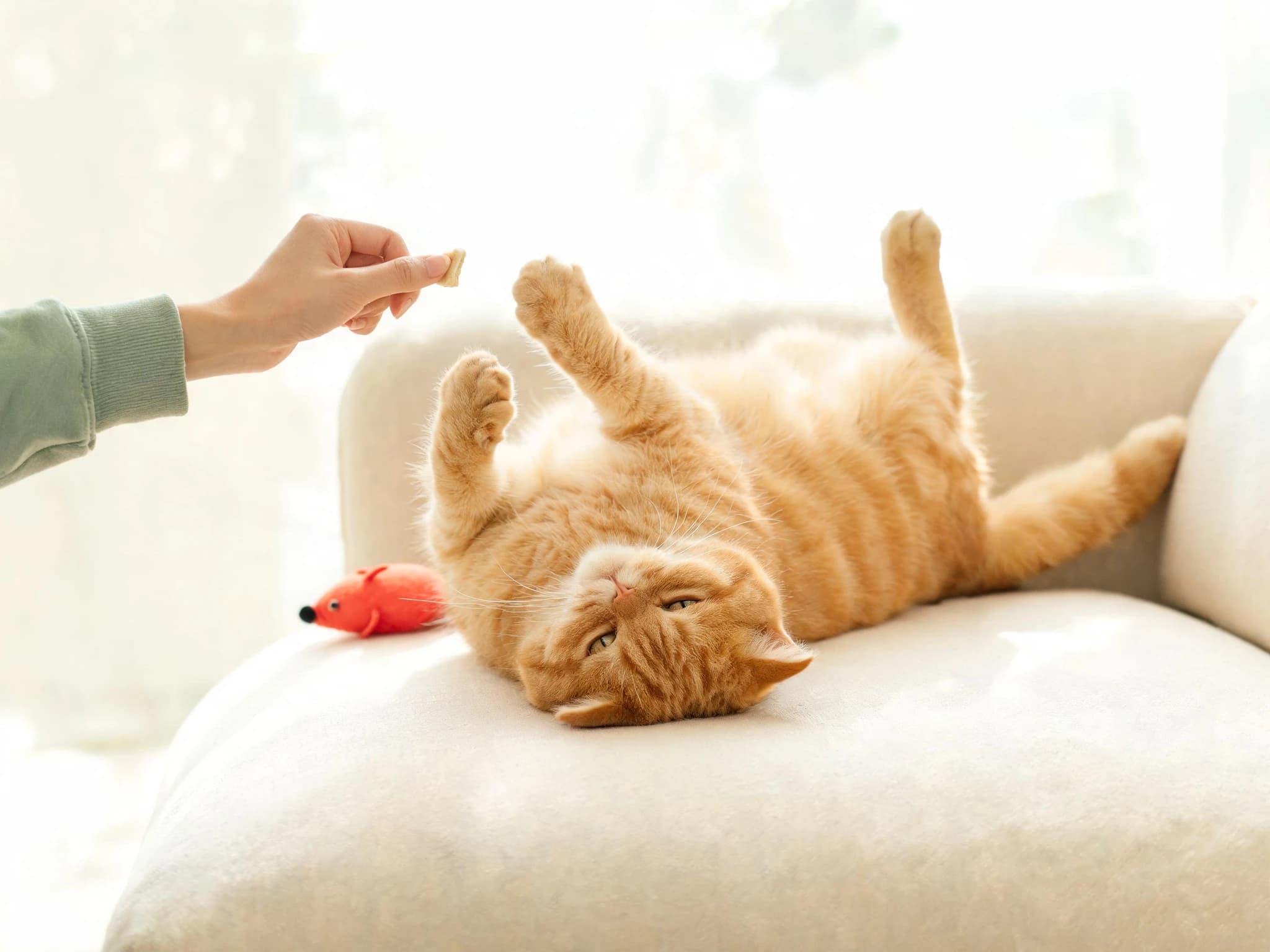 No cattery. No carrier. No sulking.
She stays in her own house, which is the only arrangement she was ever going to accept.
We come to you in Paarl (7646). You pay for the visits now and pick your times afterwards in My Account — we confirm each one with you before we come. Your visits are good for twelve months.
Cats are attached to territory in a way dogs mostly aren't. A dog broadly goes where his people go; a cat has a house, and the house is the point. Which is why a cattery is so much harder on a cat than a kennel is on a dog — it isn't the absence of you that unsettles her nearly as much as the absence of everything else.
So we come to her. Twice a day, morning and evening: fed on her own schedule out of her own bowl, played with if she's in the mood, and sat with for a while if she'd rather that. Some cats want the visit. Some watch from the top of the wardrobe and only come down once the door's shut. Both are normal, and we don't take it personally.
You'll get messages and pictures — including, where we can manage it, actual photographic evidence of the cat who's been hiding, because that's the one thing owners of shy cats really want to see.
Nobody sleeps over. For most cats that's no loss at all; a night alone in her own house is roughly her preferred state of affairs. It's worth thinking twice for a kitten, a very elderly cat, or one on medication that needs closer watching.
No carrier, no car, no strange smells, no other cats through a wire. R490 for the day, both visits included.
We visit twice a day. We don't stay the night. It's worth being clear about that before you book, because "pet sitting" means different things at different companies. Your animal is at home in their own house, with someone coming morning and evening — not boarded, and not supervised around the clock. For most pets that's a better arrangement than a kennel or a cattery. For some it isn't, and we'd rather you knew which yours is now than find out while you're away. Write everything down for us. Feeding times, how much, which bowl, which cupboard, what they're not allowed, where the lead lives, which door sticks, what the alarm code is, and what "normal" looks like for your animal. You know all of it without thinking; we don't know any of it. The households where sitting goes best are the ones that leave a list on the fridge. Leave us your vet's details and a number you'll actually answer. Also a second contact — a neighbour, a family member — for the times you're on a plane or out of signal. We hope never to need any of it. Tell us about the animals we might not see. The nervous cat who hides under the bed all three days, the second dog who's fine with people but not with strangers arriving, the tortoise in the garden. Nothing is too small to mention. Tell us about medication, and be specific. What it is, when, how much, how it's given, and what happens if a dose is missed. Enough food, litter and medication for the whole booking, plus a bit spare. We'd rather not be buying your cat an unfamiliar food on day two. Tell us where she hides, and don't be surprised if she does. Vanishing for a whole visit is completely normal and isn't a sign anything's wrong. But tell us the hiding places so we can check she's there and eating, rather than reporting back that we never saw her. Be clear about the litter tray — where it is, what litter, and where the spare bag lives. Indoor or outdoor? If she goes out, tell us the cat flap arrangement and whether it should be locked while you're away. If she's strictly indoors, say so plainly — it's the one mistake with a cat you can't undo. Tell us what she's normally like. Whether she eats fast or grazes, whether she's usually vocal, whether she always greets people. It's how we spot that something's off on a day when we've never met her before.
No reviews of this sitting visit yet — if we have looked after your animals, yours would be the first.